
___________ OVERVIEW_____________
What Is Premises Liability?
Premises liability refers to the legal responsibility of property owners and occupiers to ensure their property is safe. When they fail to address or warn about unsafe conditions and someone is injured as a result, the injured person may pursue a premises liability claim. These cases often involve negligence, meaning the property owner knew or should have known about a dangerous condition and did nothing to fix it or alert visitors.
Types of Premises Liability Cases
Premises liability claims can arise in many situations, including:
Slip and Fall Accidents
When unmarked hazards like wet floors, spilled substances, loose mats, or uneven surfaces cause a person to fall and sustain injuries.

Trip and Fall Accidents
When loose flooring, cracked sidewalks, cluttered walkways, or poor lighting create conditions that cause someone to trip and fall.

Inadequate Security
Property owners who fail to provide proper security, such as locks, lighting, or guards, may be liable if their negligence leads to violent crimes or assaults on their premises.

Elevator and Escalator Accidents
Elevators and escalators can cause serious injury if they are not properly maintained, inspected, or repaired.

Pool and Recreational Area Accidents
Poorly maintained pools, lack of safety barriers, or defective recreational equipment can lead to drowning, head injuries, and fractures.

Construction Site Hazards
Property owners and contractors must secure and warn about dangerous conditions on construction sites including open pits, exposed wiring, and falling objects.

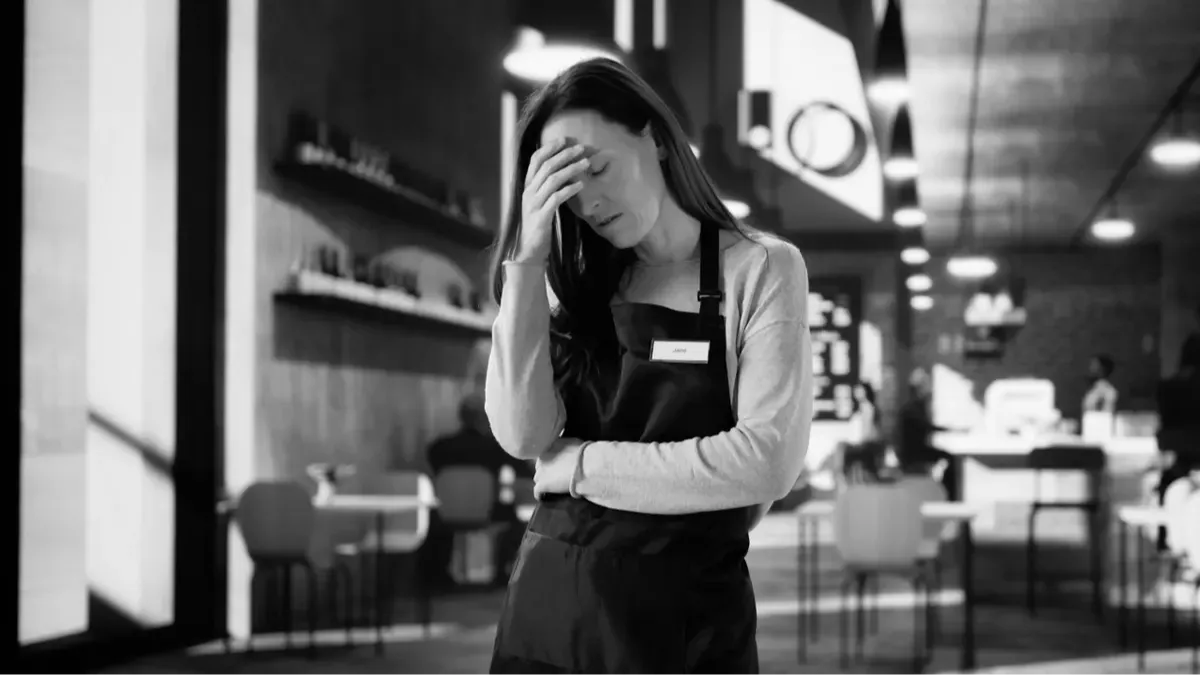
Depending on the circumstances, liability in a premises case can extend to:
Property owners
Tenants or lessees
Property management companies
Business operators
Contractors or maintenance personnel
___________ WHAT RECOVERY LOOKS LIKE _____________
In a premises liability claim, injured individuals may seek compensation for:
ECONOMIC DAMAGES
• Current and future medical expenses
• Rehabilitation and therapy costs
• Lost wages and loss of earning capacity
• Out-of-pocket expenses
NON-ECONOMIC DAMAGES
• Pain and suffering
• Emotional distress
• Loss of enjoyment of life
Liability depends on who controlled the property and whether they failed to address known hazards or should have discovered them through reasonable inspection and maintenance.
___________ WHO IS AT FAULT? _____________
Establishing Liability
Premises liability cases often hinge on evidence like maintenance records, incident reports, property inspection logs, photographs of the hazardous condition, and witness testimony.
Must demonstrate:
Relationship to Property
Defendant owned, leased, occupied, and/or controlled property
Breach of Duty
Failure to repair a hazard, warn about it, or inspect the property regularly
Breach Caused Injury
Injury was a direct result of the unsafe condition
Damages Suffered
Medical bills, lost wages, pain and suffering, or disability
___________ STEPS FORWARD _____________
What to Do After a Premises Injury?
Even seemingly minor falls can lead to significant long-term consequences, especially for older adults or people with preexisting conditions.
If you are injured on someone else’s property:
Seek medical attention immediately. Even if you think your injuries are minor.
Report the accident to the property owner or manager.
Document the scene. Take photos of the hazard and your injuries.
Collect contact information from witnesses.
Preserve evidence and avoid discussing fault with insurers.
Contact an experienced premises liability lawyer.
Free Consultation We’re Here to Help
If you or a loved one has been hurt because of unsafe conditions on someone else’s property, contact The Reed Law Firm, PC today for a free, no-obligation consultation. We’ll review your case, explain your legal options, and fight to secure the compensation you deserve.